Jon Nazareth
Western Thunderer
John
Ah, never thought of that, thank you.
Jon
Ah, never thought of that, thank you.
Jon


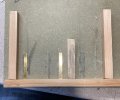
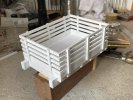
I don't like the tapered posts idea because it wiggle its way down in transit, jam up solid and soon need a hammer to get them out.

Mike
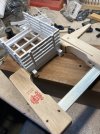
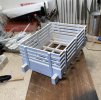
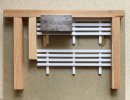
I should have gone over the drawing more thoroughly before I even started the build. That way, I would have noticed all of the ‘unknowns’ and most probably not even have started the build! Too far down the road to scrap it now.
Jon


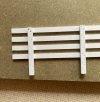

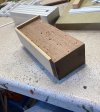

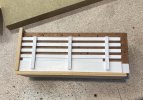


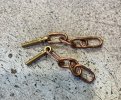
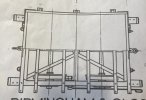
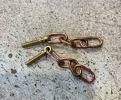
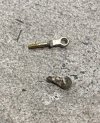
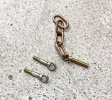
This wagon has some strange looking draw hook/draw bar arrangements. One end looks to simply have a ring and the other, a hook. I made these up as being the best that I could think of but, I’m now thinking of trying to get a bit closer to the drawing. If I’m able to make them up that is. I’ve already thought of a simpler version of what I have here but, as I’ve already said, I’m looking for something a closer to the drawing.
The question is, does anyone have any idea what is illustrated in this drawing?
JonView attachment 263376View attachment 263383